
When a loved one begins needing more daily support, families often find themselves asking: what's the difference between assisted living and memory care? While both provide professional senior care in a residential setting, they serve different needs and populations. Understanding these differences is crucial for choosing the right level of care — especially in Broward County, where options range widely. This guide will help you understand each type of care, compare them side by side, and decide which is right for your family.
What Is Assisted Living?
Assisted living is designed for seniors who are generally independent but need some help with everyday activities — often called Activities of Daily Living (ADLs). These include bathing, dressing, grooming, medication management, meal preparation, and mobility support.
In an assisted living community like Colonial Gardens Residences in Lauderhill, FL, residents enjoy:
- A private or semi-private room they can personalize with their own furnishings
- Three nutritious meals prepared daily by a culinary team
- Help with ADLs from trained caregiving staff
- Medication management by licensed nurses
- Social activities, outings, exercise, and events that encourage engagement
- Housekeeping, laundry, and maintenance — all included
The philosophy of assisted living centers on preserving independence. Residents maintain control over their daily routines, make their own choices, and participate in community life at their own pace. Staff are available when needed, but the goal is to support — not replace — the resident's autonomy.
What Is Memory Care?
Memory care is a specialized form of senior care designed specifically for individuals living with Alzheimer's disease, dementia, or other cognitive conditions. While memory care shares many similarities with assisted living — meals, housekeeping, medication management — it goes much further in several key areas.
Memory care communities provide:
- A secure environment with controlled access to prevent wandering, a common and dangerous behavior in dementia patients
- Higher staff-to-resident ratios to ensure close supervision and immediate response
- Caregivers with specialized training in dementia care techniques, including redirection, validation therapy, and behavioral management
- Structured daily routines that reduce confusion and anxiety
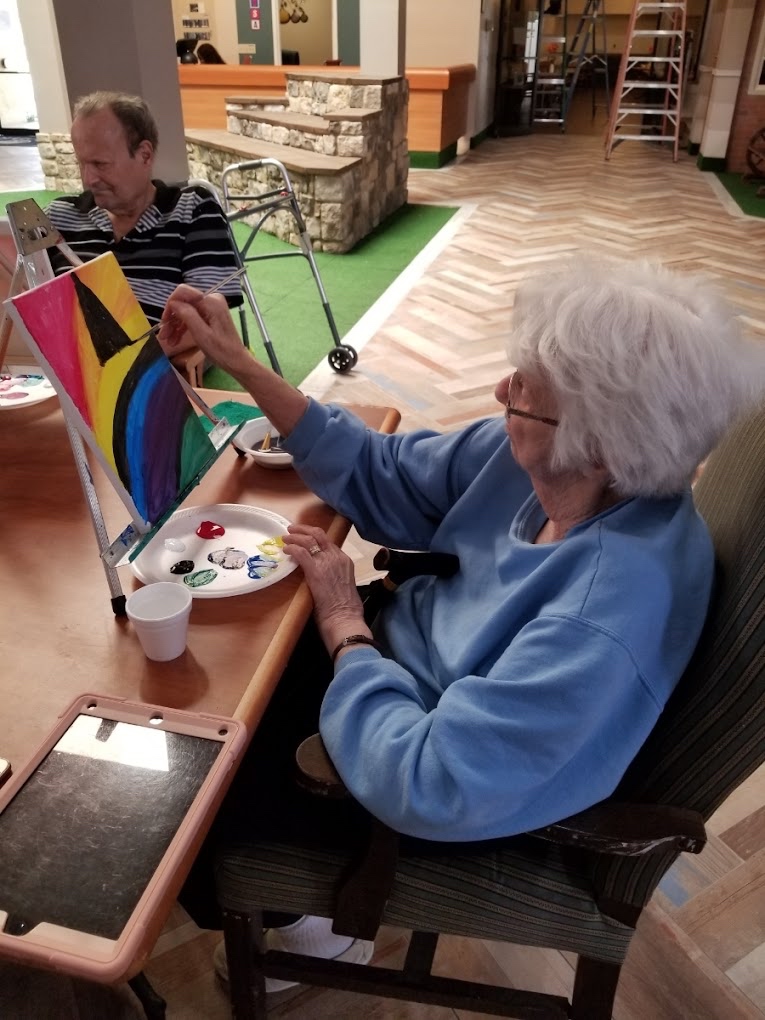
- Therapeutic activities specifically designed for cognitive engagement — music therapy, sensory stimulation, reminiscence therapy, and art programs
- Spaces designed to minimize disorientation, with clear signage, calming colors, and familiar layouts
Memory care is not about restricting freedom — it's about creating an environment where residents with cognitive challenges can feel safe, calm, and engaged while receiving the specialized attention their condition requires.
Key Differences at a Glance
| Feature | Assisted Living | Memory Care |
|---|---|---|
| Who it's for | Seniors needing help with daily tasks but cognitively stable | Seniors with Alzheimer's, dementia, or cognitive decline |
| Staffing | Trained caregivers and nurses | Dementia-specialized staff with higher ratios |
| Environment | Homelike community with freedom of movement | Secure environment with controlled access |
| Activities | Social, recreational, exercise, outings | Therapeutic: music, sensory, reminiscence therapy |
| Daily structure | Flexible schedule, resident-directed | Highly structured routine to reduce anxiety |
| Cost (Broward County) | $3,600 – $4,400/month | $4,500 – $6,500/month |
Signs Your Loved One May Need Memory Care
Deciding between assisted living and memory care can be difficult, especially in the early stages of cognitive decline. Here are some signs that your loved one may benefit from dementia care in Lauderhill, FL or Broward County:
- Wandering or getting lost — even in familiar places like their own neighborhood
- Increased confusion about time, place, or the identity of family members
- Difficulty with basic tasks they previously managed independently
- Behavioral changes — agitation, aggression, or sundowning (increased confusion in the evening)
- Safety concerns — leaving the stove on, forgetting medications, or falling more frequently
- Caregiver exhaustion — when family members can no longer safely provide the level of supervision needed
If several of these signs resonate, it may be time to explore memory care options. Early placement often leads to better outcomes, as residents can adjust to their new environment while they still have some familiarity and adaptability.
Colonial Gardens Offers Both Under One Roof
One of the greatest advantages of Colonial Gardens Residences in Lauderhill, FL is that we offer both assisted living and memory care within our 128-bed community. This means:
- No disruptive moves. If a resident's cognitive needs evolve, they can transition to memory care without leaving the community, familiar staff, and friends they've come to know.
- Continuity of care. Our nursing and caregiving teams already know the resident's history, preferences, and personality — ensuring a smoother transition.
- Family convenience. Visiting remains simple, and families maintain their established relationships with staff and administrators.
- Cost efficiency. Communities that offer both levels of care under one roof can often provide more competitive pricing than standalone memory care facilities.
"Colonial Gardens specializes in helping seniors living with Alzheimer's disease, dementia, and other conditions that require specialized attention and a secure environment."
Making the Right Choice for Your Family
Choosing between assisted living and memory care is deeply personal. Consider your loved one's current needs, how quickly their condition may progress, and what environment will help them feel most safe and engaged. Visiting communities in person is one of the most valuable steps you can take — it's often during a tour that families feel the difference between an adequate facility and a truly compassionate home.
At Colonial Gardens, we welcome families to tour our community, meet our Alzheimer's care and assisted living staff, and ask every question they need answered. Whether your loved one needs assisted living today or specialized memory care in Broward County, we're here to provide compassionate, affordable support every step of the way.
Ready to explore your options? Call us at (954) 484-1960 or schedule a tour to see Colonial Gardens in person.