
Deciding when a parent or loved one needs more support than family can provide at home is one of the most emotional choices a family can face. It's rarely a sudden realization — more often, it's a gradual accumulation of small concerns that eventually become impossible to ignore. If you've been wondering when to consider assisted living for your parent, this guide outlines seven common signs that it may be time — along with practical advice for families in Lauderhill, FL and the broader Broward County area.
The 7 Signs to Watch For
1 Difficulty With Daily Activities
Activities of Daily Living (ADLs) — bathing, dressing, grooming, toileting, eating, and moving around the home — are the foundation of independent living. When your parent begins struggling with these tasks regularly, it's one of the clearest senior care signs that additional support is needed. You might notice unwashed hair, the same clothes worn for days, difficulty getting in and out of the shower, or unsteadiness when walking between rooms.
Assisted living communities provide trained caregivers who help with ADLs while preserving your parent's dignity and autonomy — ensuring they receive exactly the help they need without losing their sense of independence.
2 Medication Errors
Managing multiple medications is complex, and errors become increasingly common with age and cognitive decline. Missed doses, double doses, expired prescriptions, or confusion about which medication to take when can have serious — sometimes dangerous — health consequences. If you've found stockpiles of untaken pills, noticed your parent's health declining despite prescribed treatments, or received calls from pharmacies about missed refills, medication mismanagement is a significant warning sign.
Professional assisted living communities like Colonial Gardens Residences include medication management as a core service, with licensed nurses handling scheduling, dosing, and monitoring.
3 Social Isolation and Loneliness
As mobility decreases and friends pass away or move, many aging parents become increasingly isolated. They may stop attending church, decline invitations, or spend most of the day alone watching television. Social isolation is not just emotionally painful — research consistently links it to faster cognitive decline, depression, and increased risk of chronic illness.
Assisted living communities are inherently social environments. Daily meals together, group activities, outings, and the simple presence of neighbors and staff provide the consistent human connection that's vital for emotional and mental health.
4 Frequent Falls or Safety Concerns
Falls are the leading cause of injury among older adults, and they often signal declining balance, vision problems, or medication side effects. If your parent has fallen more than once in recent months — or you've noticed near-misses, unexplained bruises, or a growing fear of moving around their own home — the risk is real and escalating.
Assisted living facilities are designed with safety in mind: emergency call systems in every room, grab bars in bathrooms, well-lit hallways, and staff available around the clock to respond immediately.
5 Poor Nutrition or Weight Changes
Look inside your parent's refrigerator and pantry the next time you visit. Expired food, empty shelves, an over-reliance on processed snacks, or significant weight loss are all signs that nutrition has become a challenge. Cooking requires planning, shopping, preparation, and cleanup — a chain of tasks that becomes overwhelming when energy, mobility, or cognition declines.
At Colonial Gardens, residents enjoy three chef-prepared meals daily, with menus that accommodate dietary restrictions and preferences. Proper nutrition isn't optional — it's foundational to health, and it's included in every resident's care.
6 Declining Personal Hygiene
When a parent who was always well-groomed begins neglecting personal hygiene — infrequent bathing, unbrushed teeth, body odor, or wearing soiled clothing — it usually points to physical difficulty, cognitive decline, or depression rather than laziness. This sign can be particularly hard for adult children to address because it feels deeply personal.
Assisted living caregivers handle these sensitive tasks with professionalism and compassion. Trained staff provide bathing and grooming assistance in a way that respects the resident's dignity while ensuring their comfort and health.
7 Caregiver Burnout
This sign isn't about your parent — it's about you. Caregiver burnout is real, and it affects millions of families across South Florida and the country. If you're experiencing chronic exhaustion, anxiety about your parent's safety when you're not there, strained relationships, difficulty maintaining your own work and health, or feelings of guilt and resentment, it's a sign the current arrangement isn't sustainable.
Choosing assisted living isn't giving up on your parent — it's ensuring they receive consistent, professional care while you reclaim the ability to be their son or daughter rather than their full-time caregiver. Many families report that their relationship with their parent actually improves after the transition because visits become quality time rather than caregiving shifts.
How to Start the Conversation
Bringing up assisted living with an aging parent requires sensitivity and patience. Here are some approaches that work:
- Start early. Don't wait for a crisis. Raise the topic when things are calm, framing it as planning for the future rather than reacting to a problem.
- Listen more than you speak. Ask your parent what worries them about aging. Often, they share the same concerns you have — they just haven't known how to bring them up either.
- Focus on positives. Emphasize what they'll gain — social connection, delicious meals, help with tasks that have become difficult — rather than what they're "losing."
- Visit together. Tour communities as a family. Seeing a warm, welcoming environment firsthand can transform the conversation from abstract to tangible.
- Involve their doctor. A recommendation from a trusted physician carries significant weight and can depersonalize the suggestion.
What to Look for When Touring Facilities in Broward County
When visiting assisted living facilities in Broward County, pay attention to these details:
- Staff warmth and attentiveness — Do caregivers know residents by name? Do they interact with genuine warmth?
- Cleanliness and upkeep — Are common areas clean and well-maintained?
- Meal quality — Ask to see a menu or sample a meal. Nutrition matters.
- Activity calendar — Is there a full schedule of social, recreational, and therapeutic activities?
- Safety features — Emergency call systems, secure entries, well-lit corridors.
- Resident satisfaction — Talk to current residents and families. Read online reviews.
- Transparency — Are costs clearly explained? Are there hidden fees?
Why Colonial Gardens Makes the Transition Easier
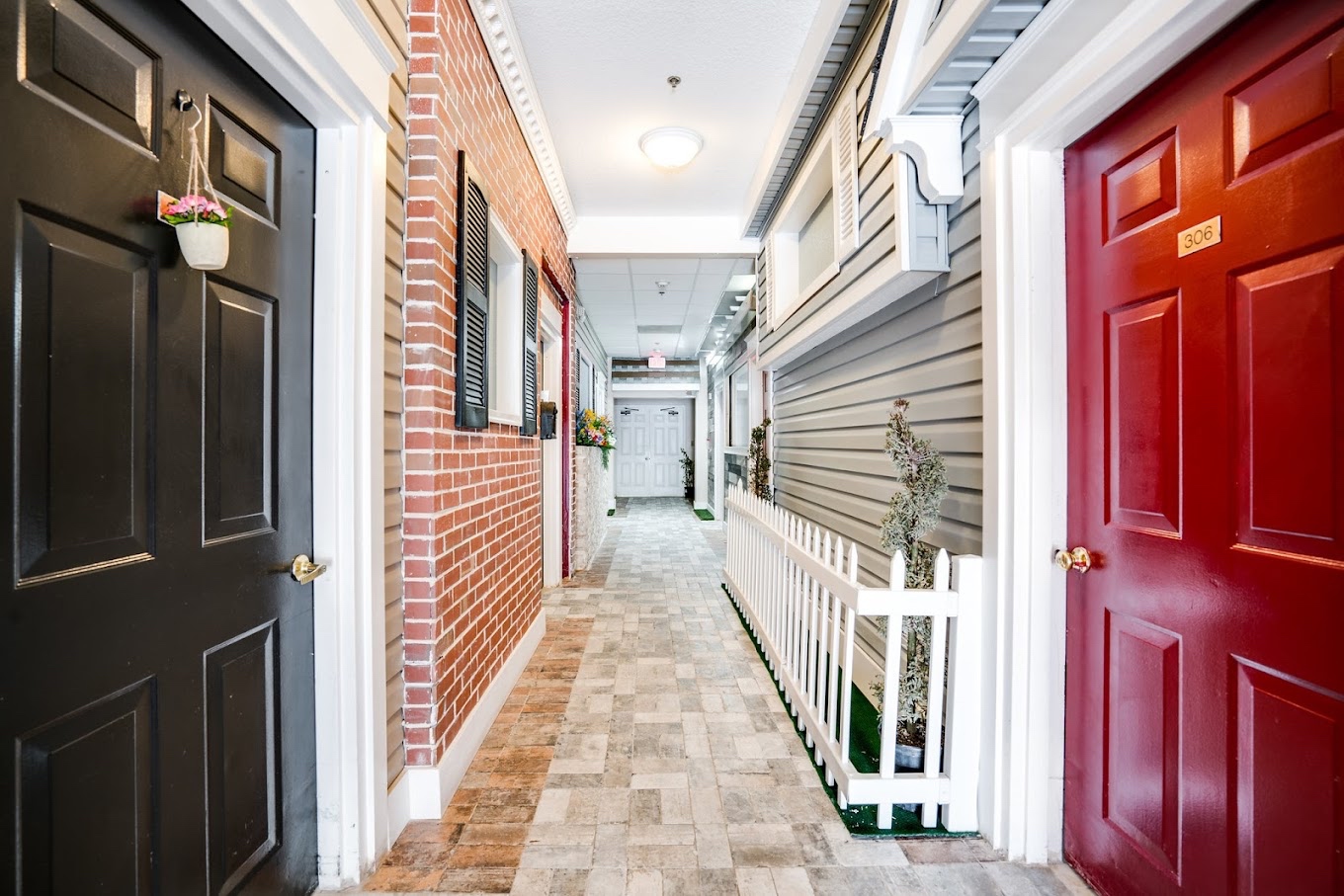
At Colonial Gardens Residences in Lauderhill, FL, we understand that the decision to move a parent into assisted living is deeply emotional. That's why we've built a community that feels like home from day one. Our 128-bed community offers:
- Personalized care plans that evolve with your parent's needs
- 24/7 nursing staff and medication management
- Chef-prepared meals, housekeeping, and laundry — all included
- A full calendar of activities to keep residents engaged and connected
- Both assisted living and memory care under one roof
- Affordable, all-inclusive pricing with no hidden fees
"We're not just compassionate, we're affordable too!"
If you're recognizing several of these signs in your own family, you're not alone — and you don't have to navigate this alone. Call us at (954) 484-1960 to talk through your situation, or schedule a tour to experience Colonial Gardens in person. We're here to help your family take the next step with confidence.