Stepping into an assisted living community for the first time can feel overwhelming. You're trying to absorb a new environment, picture your parent living there, and evaluate whether the staff and services meet your family's expectations — all at the same time. Knowing what to look for before you go makes the process far less stressful and far more productive.
This guide walks you through everything: how to prepare for the tour, what to observe while you're there, the most important questions to ask, and the warning signs that should give you pause. Whether this is your first tour or your fifth, having a clear framework helps you compare communities fairly and make a decision with confidence.
How to Prepare Before the Tour
The best tours are the ones you walk into prepared. Before you visit any assisted living community, spend thirty minutes doing some groundwork. It will make every conversation more focused and help you spot what matters.
Know Your Loved One's Needs
Make a list of your parent's current needs — help with bathing, dressing, medication management, mobility, or memory care. Bring this list to the tour so you can ask specifically how the community handles each area. A facility that's excellent for an independent senior may not be the right fit for someone in the early stages of dementia.
Review the Community's License and State Inspection History
In Florida, assisted living facilities are licensed by the Agency for Health Care Administration (AHCA). You can look up any facility's inspection history at floridahealthfinder.gov before your visit. This gives you an objective picture of past compliance issues — something no tour brochure will tell you.
Read Recent Reviews — But Read Them Critically
Online reviews on Google, A Place for Mom, and Caring.com provide useful signal, but a single negative review doesn't tell the whole story. Look for patterns across many reviews. A community with a consistent 4.7-star rating across hundreds of reviews over several years is a very different story than one with a handful of recent glowing reviews.
Prepare Your Questions in Advance
We've listed the most important questions below, but bring a printed or phone-based checklist so nothing slips through the cracks during the emotional experience of touring.
What to Observe During the Tour
The physical walkthrough tells you as much as any brochure. Use all your senses and pay attention to details that don't make it into the marketing materials.
Cleanliness and Odor
This is the most immediate indicator of day-to-day operations. Common areas, dining rooms, and hallways should be clean and smell fresh. A faint institutional odor can be normal in any care setting, but persistent strong odors — particularly in resident areas — signal housekeeping or personal care gaps. Ask to see a resident room (with permission) to assess cleanliness up close.
Staff Interactions with Residents
Pay close attention to how staff members interact with residents — not just with you. Are they greeting residents by name? Do they slow down when passing a resident in the hallway? Do they seem rushed and distracted, or present and engaged? The quality of these small, unrehearsed moments is the most honest window into the community's culture.
Resident Engagement and Atmosphere
Look at the residents themselves. Are people gathered together, talking, or participating in activities? Or are residents largely alone in their rooms with the TV on? A vibrant community has a palpable social energy. Empty common areas during the day can indicate a lack of programming or resident apathy.
The Physical Environment
Is the building well-maintained? Are handrails secure, floors non-slip, and lighting adequate? Is outdoor space accessible and inviting? Check whether there are secure walking paths for residents who wander — a critical feature for memory care. Notice whether spaces feel institutional or homelike.
Food Quality
If you can, time your visit around a meal. Ask to sample the food or at least review the week's menu. Meals are one of the most important quality-of-life factors for residents, and communities that invest in quality dining tend to invest in quality care across the board. Ask about dietary accommodations for diabetes, heart conditions, and religious or cultural food preferences.
Essential Questions to Ask on Your Assisted Living Tour
A good tour guide will answer questions naturally as they come up, but don't leave these off the table:
Staffing and Care
- What is the staff-to-resident ratio during the day? At night? The standard for assisted living varies, but Florida requires a minimum of one staff member per 20 residents. Top communities do significantly better than this.
- Are staff members trained in dementia care? Even in non-memory care settings, many residents have some degree of cognitive impairment. Training matters.
- How long have most of your staff been here? Low staff turnover is one of the most reliable indicators of a well-run community. Staff who stay are staff who feel valued — and they build genuine relationships with residents.
- Who is the on-site nurse and what are their hours? Many facilities have a licensed nurse on-call rather than on-site around the clock. Know the difference.
Medication Management
- How is medication managed and by whom? Medication errors are one of the leading causes of preventable harm in senior care. Ask about the specific system used — electronic medication administration records (eMAR) and licensed nurse oversight are gold standards.
- How are medication changes communicated to families? You should be notified promptly whenever a physician changes a medication or dosage.
Emergency Protocols
- What happens if my parent falls in the middle of the night? Understand the chain of response — from emergency call systems to staff response to hospital transport.
- How do you handle medical emergencies? Which hospital do residents go to, and how do you communicate with families?
- What is your emergency hurricane or severe weather plan? In South Florida, this is non-negotiable.
Activities and Programming
- Can I see the activity calendar? A robust schedule includes physical, social, cognitive, and creative programming — not just bingo three times a week.
- How do you accommodate residents who prefer quieter, one-on-one activities? Group activities aren't for everyone. Look for flexibility.
- Are there outings or transportation available for residents?
Costs and Contracts
- What exactly is included in the monthly rate? Get this in writing. Ask specifically about medication management, incontinence supplies, transportation, and salon services.
- What triggers a rate increase, and how much notice will we receive?
- What are the terms for leaving the community? Understand move-out notice requirements and refund policies.
Red Flags to Watch For
Most assisted living communities are doing their genuine best. But certain warning signs should prompt either serious follow-up questions or a decision to look elsewhere:
- Staff who can't answer basic questions about care protocols or direct you to someone who can — this suggests poor training or poor communication internally.
- A reluctance to let you tour unaccompanied or see resident rooms. Confident communities have nothing to hide.
- Residents who appear unkempt, unengaged, or distressed without any staff noticing or responding.
- Vague answers about staffing ratios, especially for nights and weekends. Weekend and overnight care quality is often where corners are cut.
- A dismissive attitude toward your questions. Sales pressure to commit on the spot is another red flag — choosing senior care should never be rushed.
- No posted activities calendar or an outdated one. This suggests programming is not a priority.
- Significant discrepancies between the marketing brochure and what you see. Trust your eyes over the pamphlet.
Touring Colonial Gardens Residences
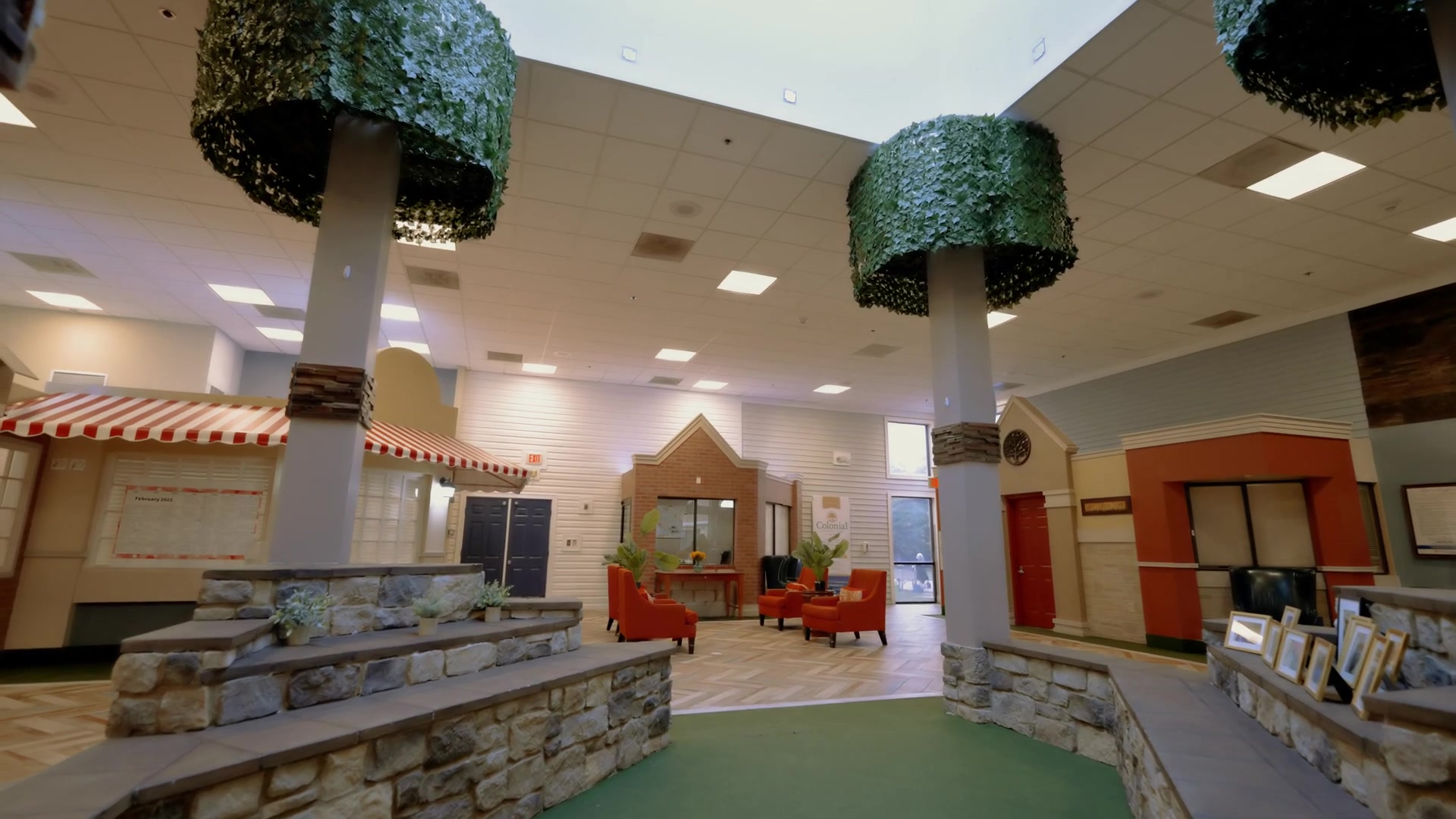
At Colonial Gardens Residences in Lauderhill, we welcome families to tour at their convenience — with no pressure and no sales scripts. Our 128-bed community provides both assisted living and memory care, and we believe that families make the best decisions when they can see our community honestly, ask every question they have, and take the time they need.
Here's what you can expect when you visit us:
- A guided private tour of all common areas, dining rooms, activity spaces, garden courtyards, and available rooms — with a staff member who knows the building and can answer care questions directly, not a salesperson reading from a script.
- A chance to meet the care team. We encourage families to spend time with our nurses, care aides, and activities staff. The relationships your loved one will build with these individuals matter far more than the furniture in the lobby.
- A virtual tour option for family members who live out of town. Visit our virtual tour page to explore our community from anywhere.
- Transparent pricing discussions. We'll walk you through exactly what's included in our rates and what the process looks like, step by step.
- No obligation to decide on the day. We want you to go home, talk as a family, and return with any follow-up questions before making a decision.
We serve families across Broward County — from Fort Lauderdale and Sunrise to Plantation and Coral Springs. To learn more about our services and care levels, or to schedule a personal tour, call us at (954) 484-1960 or request a tour online.
After the Tour: Making Your Decision
After visiting several communities, give yourself a day or two before making any decisions. Write down your impressions while they're fresh — what felt right, what felt off, and any questions that went unanswered. Then go back to the communities that made your short list with those follow-up questions.
The best measure is often the simplest one: did the staff seem to genuinely care about the residents? You can renovate a building, improve a menu, and add programming. But a culture of compassion — or its absence — comes through clearly when you're paying attention.
"The question isn't which community has the nicest lobby. It's which community your loved one will feel most at home in."
Take your time. Visit more than once if you need to. Bring other family members or a trusted friend. And trust your instincts — you know your parent better than anyone else, and your gut reaction to a place after spending an hour there is a meaningful data point.
If you have questions about what to look for in Broward County specifically, or want to discuss whether your loved one's needs are a good fit for assisted living or memory care, we're always happy to talk. Call us at (954) 484-1960 — no commitment required.